

Why is DNS exercise training different? About movement patterns, diaphragm function & body alignment
DNS (Dynamic Neuromuscular Stabilization) is a unique approach to movement and rehabilitation because it helps your body relearn how to move the way it was designed to.
Instead of just focusing on isolated muscles or painful areas, DNS looks at how your whole body works together: your posture, breathing, and movement patterns. Depending on this assessment, the client learnt how to restore natural strength and balance from the inside out.
This is what makes DNS special:
It is based on how we first learned to move. DNS is inspired by the way babies naturally develop strength and coordination in their first year of life. Babies develp what we call "early movement patterns" and they are the foundation for all healthy movement in all humans. DNS helps you reconnect with those movement patterns.
DNS retrains your brain, not just your muscles. Rather than just “strengthening” weak areas, DNS helps your nervous system remember how to stabilize and move efficiently, based on the early childhood movement patterns. This creates lasting change and helps prevent pain from returning.
DNS connects breathing and core stability. You learn how to use your diaphragm and deep core muscles together to create true stability, the kind that supports your spine, improves posture, and makes every movement feel lighter and easier.
DNS is functional and whole-body. DNS exercises are designed to help your body move as one coordinated system, not in separate parts, so your improvements show up in everyday life and in sport.
DNS is not just another rehab method. It is a way to restore the natural movement your body was built for, helping you feel stronger, more balanced, and pain-free.
How does the diaphragm help create reliable core stability?
Your diaphragm isnot just for breathing. It has a second important function to help initiate true core stability.
When you breathe in, the diaphragm moves downward and creates gentle pressure inside your abdomen. This pressure works together with your deep abdominal muscles, pelvic floor, and back muscles to support your spine from all sides.
Instead of “bracing” or tightening, this natural system keeps your trunk stable while allowing you to move and breathe freely.
A well-functioning diaphragm means better posture, smoother movement, and less strain on your back, helping your body feel strong, balanced, and in control.
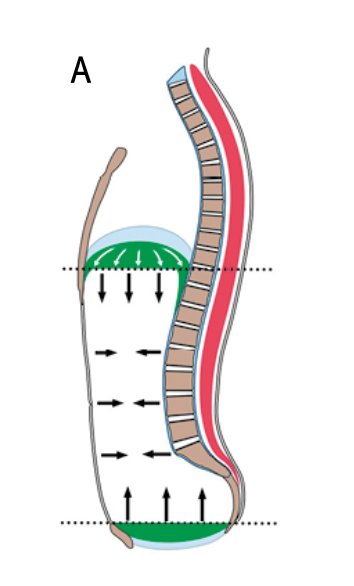
The Relationship Between Alignment and Diaphragmatic Breathing
Good body alignment and healthy breathing are closely connected, one supports the other. Even more importantly, one is not possible without the other.
When your spine, ribs, and pelvis are in good alignment, your diaphragm can move freely as you breathe. This allows you to take deep, efficient breaths that fill your lungs evenly and create natural core stability.
If your posture is off, for example, if your ribs lift, your lower back arches, or your pelvis tips forward, the diaphragm can not move properly. Breathing becomes shallow and inefficient, and your core loses its ability to stabilize the body. If that happens, other muscles which are not really designed for that job, will try to take over the function of stabilizing your body. Over time, this will result in pain from overuse.
By restoring proper alignment of your main 3 body segments (head, chest & pelvis), you give your diaphragm room to work the way it should. In turn, better breathing maintains posture, balance, and movement, creating a powerful cycle of stability and ease.


Do you want to try DNS?
If you like to try DNS for yourself to experience the benefits of this training approach first hand, get in touch via the DNS New Zealand website or facebook page.


Comments